Why N-Acetyl L-Cysteine is the Missing Link for Your Gut-Brain Axis
Published: 16/05/2026

Written by Oliver King
BSc Human Neuroscience | The Wellness Root
In this Guide
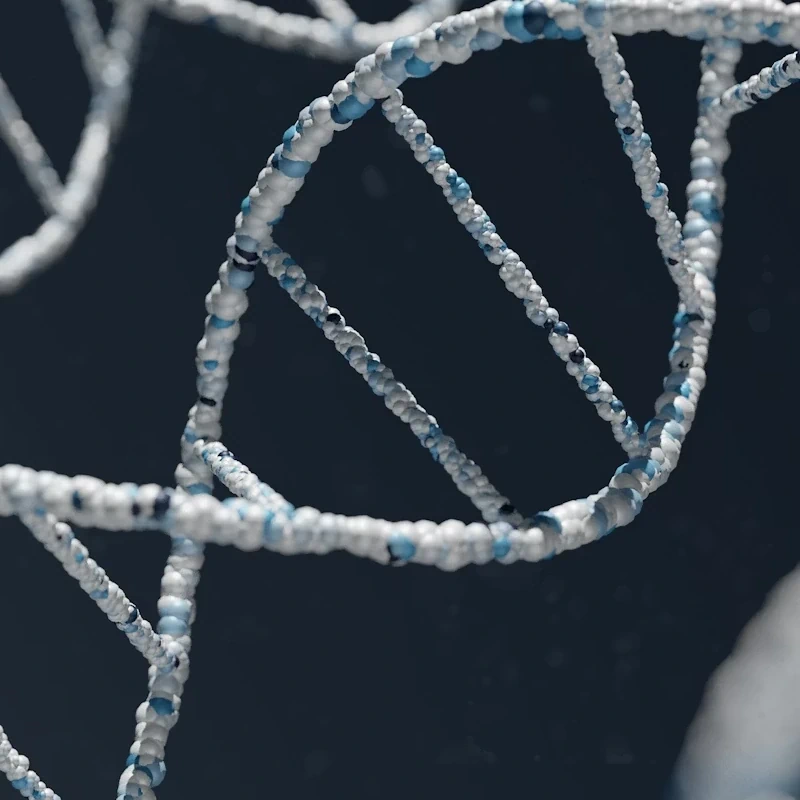
Most people look at the brain as the undisputed CEO of the body. They focus on synaptic health and neuroplasticity to stay sharp, but they often ignore the “second brain” hiding in their gut. This is the enteric nervous system (ENS), a complex mesh of millions of neurons lining your digestive tract.
If you want to truly support your brain’s natural plasticity, you have to talk to the gut first. This is where N-Acetyl L-Cysteine (NAC) steps in. While it is famous in biohacking circles for boosting glutathione, its real value lies in how it supports the natural communication lines between your stomach and your skull.
The Science of the Second Brain
The gut-brain axis is a two-way street. When your digestive system faces daily stressors, your cognitive clarity can feel the fatigue. This connection is why many people find success combining NAC with other supportive compounds like bacopa monnieri or magnesium.
NAC acts as a precursor to glutathione, the body’s master antioxidant. By managing oxidative stress within the enteric nervous system, NAC helps maintain the natural integrity of the intestinal barrier. This supports a healthy gut lining against external irritants, helping to prevent systemic stress that could lead to mental fatigue and cellular oxidative stress.
Beyond its role in glutathione biosynthesis, N-acetyl cysteine serves as a critical substrate for the acylation of cysteine residues, a post-translational modification that regulates normal protein function and cellular metabolic signaling. This specific acylation mechanism provides a foundational pathway for modulating normal cellular processes, offering a sophisticated benefit that enhances standard antioxidant-focused supplement profiles (PubMed). This means NAC is doing far more than just cleaning up cells; it is actively supporting how proteins behave under physiological stress.
Bioavailability and the Liver Pathway
When we talk about ingredients that impact the gut-brain axis, we have to talk about how the body actually processes them. Bioavailability is often a point of contention in the supplement world. For instance, research on different forms of glucosamine (PubMed) shows that traditional, simpler forms often offer an excellent pharmacokinetic profile compared to specialized variations. This reminds us that a straightforward molecular structure, like N-Acetyl L-Cysteine, is often highly effective because the body can readily utilize it.
However, optimal utilization of any bioactive compound requires a healthy metabolic foundation to manage the workload. A recent study on high-dose melatonin (PubMed) highlighted that when the liver’s natural clearance pathways are heavily taxed, it can place additional demands on the system. This is why balancing your stack is vital. If you are using NAC to support your gut-brain axis, consider pairing it with gentle metabolic supporters like vitamin D3 or ashwagandha to keep the system in perfect equilibrium.
Strengthening the Enteric Nervous System
The enteric nervous system uses many of the same neurotransmitters as the brain, including serotonin and dopamine. NAC helps promote enzymatic balance and supports the natural regulation of glutamate, the most abundant excitatory neurotransmitter. By keeping glutamate activity in a healthy, balanced zone, NAC protects cellular longevity in both the gut and the brain.
This regulation is a cornerstone of gut-brain axis support. When the ENS is operating smoothly, the vagus nerve can communicate a state of balance and relaxation to the brain. This is why many people who focus on mitochondrial energy and ATP production find that adding NAC helps level out their mental stamina throughout the day.
Building Your Gut-Brain Stack
If you are looking to optimize your enteric nervous system, NAC is a powerful foundation, but it works best as part of a broader strategy. Consider these synergies:
- For Cognitive Clarity: Pair NAC with Lion’s Mane to support both a healthy digestive tract and natural nerve growth factors.
- For Stress Resilience: Combine NAC with magnesium bisglycinate to support a calm nervous system from both ends.
- For Systemic Balance: Ensure you have adequate EPA and DHA to support the structural integrity of your cell membranes.
The Verdict
The gut-brain axis is not just a trend; it is the frontline of modern health optimization. By using N-Acetyl L-Cysteine, you are doing more than taking an antioxidant. You are providing the raw building blocks for protein acylation and glutathione production, defending the delicate neurons of your enteric nervous system.
Whether you want to clear away afternoon mental fatigue or protect your long-term cellular health, NAC offers a sophisticated mechanism of action that few other amino acids can match. Start with the gut, and the brain will follow. For more on how the gut supports your cognitive health, check out our deep dive on gut-brain axis mechanics.
Further Reading
Join The Wellness Root Community
Join 5,000+ subscribers and get our weekly evidence-based wellness guides, in-depth product reviews, and scientific breakdowns sent directly to your inbox.
100% Secure. Unsubscribe anytime.