Beyond Skin Deep: The Neuroscience of Synaptic Health and Neural Plasticity
Published: 16/05/2026

Written by Oliver King
BSc Human Neuroscience | The Wellness Root
In this Guide
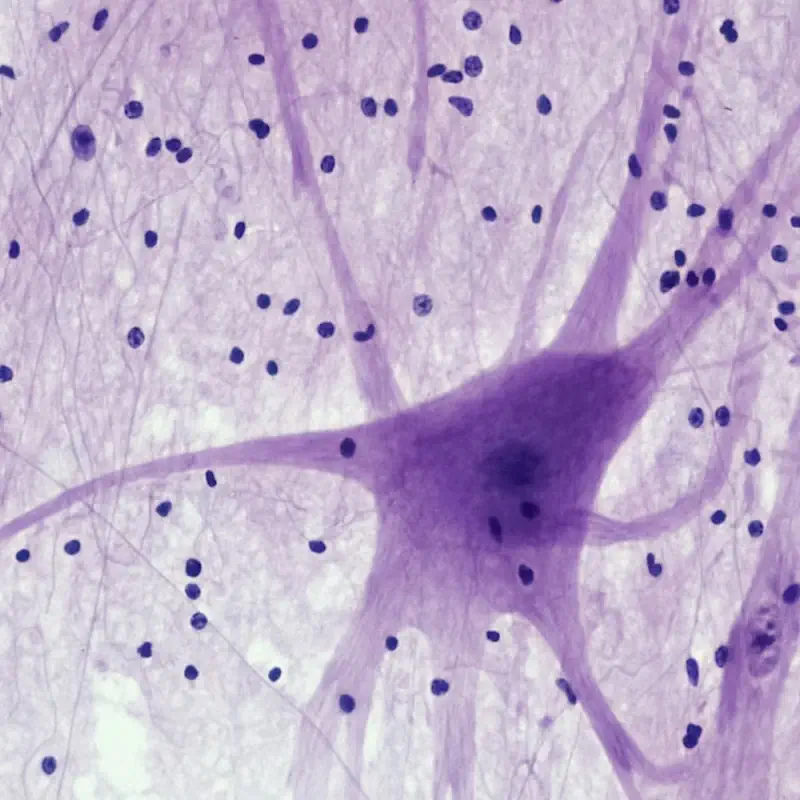
We often talk about repair in the context of the surface. We see a scar or a stretch mark and think about cellular turnover at the epidermal level. But the biological mechanisms that govern “repair” and maintenance are universal. The same bioactives we use to support the skin often play a far more sophisticated role within the architecture of our thoughts.
Neuroplasticity is the brain’s ability to reorganize itself by forming new neural connections. It is the physical manifestation of learning, cognitive stamina, and mental resilience. When we look at ingredients like Vitamin A or Vitamin E, we are looking at tools that do more than just smooth out a surface. They are fundamental contributors to the maintenance of the neural matrix.
The Architecture of Synaptic Health
Maintaining synaptic health is about supporting the long-term integrity of the communication lines between neurons. When these lines lose efficiency, daily cognitive performance and memory can decline. Recent research into vitamins as natural modulators of neurological health pathways (Europe PMC) suggests that targeted nutritional interventions can support neuronal integrity and promote optimal cognitive function.
This process is heavily reliant on managing cellular oxidative stress and mental fatigue. When the brain’s natural pathways face high stress, neuroplasticity can stall. Bioactives that we typically find in high-end lipid treatments are now being studied for their ability to cross the blood-brain barrier and protect neural tissue from daily physiological strain.
The Power of Fat-Soluble Protectors
The brain is roughly 60% fat. It makes sense that lipid-soluble vitamins would be its primary guardians against oxidative damage.
- Vitamin E: This nutrient contributes to the protection of cells from oxidative stress. While it is famous for skin nourishment, clinical evidence shows that Vitamin E helps maintain functional independence and structural integrity within neurological pathways as the body ages (Europe PMC).
- Vitamin A: Beyond its role in cellular turnover, Vitamin A is involved in the signaling pathways that support neurogenesis—the natural birth and maturation of new neurons.
Clinical research identifies a potent synergy between Vitamin E and Coenzyme Q10 that supports mitochondrial energy metabolism and antioxidant defense to protect against ferroptosis-driven cellular damage. This mechanism supports healthy cell-signaling cascades to promote cognitive longevity and maintain neuronal integrity, offering a systemic wellness benefit that extends far beyond simple topical skin application. This synergy is a cornerstone of mitochondrial energy production and long-term cognitive health.
Botanical Oils and the Gut-Brain Axis
The application of botanical oils like Lavender Oil and Chamomile Oil is often valued for lifestyle relaxation. However, the gut-brain axis highlights a deeper pathway. These compounds interact naturally with our nervous system to support a balanced cortisol response, which is crucial for maintaining an environment where neuroplasticity can thrive.
- Rosemary Oil: Often linked to mental clarity, Rosemary Oil contains natural compounds that defend against oxidative stress in the brain.
- Calendula Oil: While primarily known for its soothing properties, Calendula Oil contributes to a healthy systemic inflammatory balance.
- Lavender and Chamomile: These extracts are excellent for supporting a calm nervous system. By leveraging the gut-brain axis to support brain resilience, these oils help create the peaceful baseline necessary for daily cognitive maintenance.
Moving Toward Proactive Cognitive Optimization
The science of brain health is evolving. We are shifting toward a proactive model of cellular optimization. Studies on natural bioactive compounds and neurological recovery pathways (Europe PMC) show that these substances can promote natural neurogenesis and support synaptic plasticity even after periods of intense physiological stress.
If these bioactives can assist the nervous system during times of intensive recovery, they offer incredible value for managing the daily micro-stressors of modern life and aging. Using a comprehensive lipid-based formulation to maintain skin health is excellent, but understanding the systemic impact of these ingredients allows for a more holistic approach to longevity.
The Verdict: A Systemic Approach
Maintenance is never localized. Whether you are using Lions Mane for its natural potential to support nerve growth factors or applying a blend of botanical oils to support your skin’s barrier, you are participating in a whole-body biological dialogue.
To truly optimize neuroplasticity, you must address the fluid environment that neurons live in. This means defending against oxidative stress with Vitamin E, supporting cell-to-cell signaling with Vitamin A, and keeping the nervous system balanced with soothing botanicals.
The goal is not just to support your physical appearance, but to ensure your internal signaling network is running at peak efficiency. By integrating these bioactives into your daily protocol, you provide the raw materials your brain needs to maintain itself, stay adaptable, and remain resilient against the passage of time.
Further Reading
Join The Wellness Root Community
Join 5,000+ subscribers and get our weekly evidence-based wellness guides, in-depth product reviews, and scientific breakdowns sent directly to your inbox.
100% Secure. Unsubscribe anytime.