The Second Brain and Your Skin: How the Gut-Brain Axis Supports Your Natural Glow
Published: 16/05/2026

Written by Oliver King
BSc Human Neuroscience | The Wellness Root
In this Guide
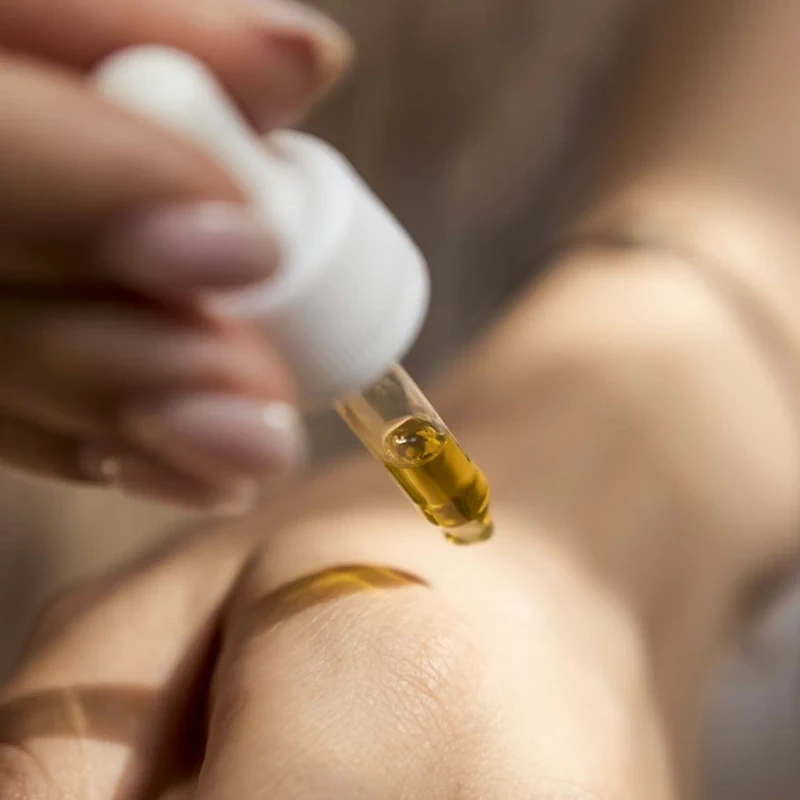
Most people think of their skin as a simple wrapper. In reality, it is a sophisticated communication hub wired directly into your enteric nervous system (ENS). This “second brain” in your gut contains hundreds of millions of neurons that interact with your actual brain and your skin 24/7. When your digestive system is under pressure from daily stressors, your cognitive clarity can feel the fatigue, and your skin often reflects that imbalance.
Understanding this connection is the ultimate biohack. If you want to maintain brain resilience and defend against mental fatigue, you have to look at the barriers protecting your internal and external environments. The same lipids that keep your skin supple and hydrated are often the ones supporting a healthy gut lining and promoting optimal neural function.
The Neuro-Skin Connection
The gut-brain axis is a two-way street. Your brain sends signals to your gut to regulate digestion, while your gut sends signals back that influence mood and cognition. Research on age-related metabolic health and brain energy profiles (Europe PMC) shows that maintaining normal cellular energy balance is a primary driver of long-term cognitive vitality. Suboptimal metabolic efficiency often manifests as systemic oxidative stress, which can impact your complexion long before it shows up in daily cognitive performance.
When the gut barrier lacks necessary nutrient support, environmental triggers can challenge your systemic wellness. This can influence natural pathways like the Metabolic Steatotic Axis, where oxidative and metabolic signaling affects the gut, liver, heart, and skin. To optimize the skin, you must support full-body wellness at its source while reinforcing the physical lipid barriers that protect your body.
The Barrier Triad: Ceramides, Cholesterol, and Phytosphingosine
Your skin barrier relies on a very specific ratio of lipids to maintain optimal function. Without them, you lose moisture, and environmental irritants penetrate the surface layers of the dermis, triggering a defensive immune response that can impact overall system resilience.
- Ceramide NP: These act like the “bricks” of your skin barrier. They prevent transepidermal water loss and maintain a strong protective shield.
- Cholesterol: A vital structural component, cholesterol in the skin provides the fluidity and natural repair mechanisms needed to maintain a resilient surface.
- Phytosphingosine: This lipid supports a healthy microbial balance on the skin surface and acts as a cellular signaling molecule, helping your skin cells manage normal renewal and repair.
Beyond cosmetic “glass-skin” benefits, clinical evidence from the ADVOCATE trial identifies a specific structural synergy where ceramide-infused barriers support skin integrity and reduce peristomal skin challenges, optimizing comfort and reducing overall specialized care costs by 14%. This mechanism establishes ceramides as a critical component for maintaining skin barrier function against external irritants, providing a measurable quality-of-life and skin-protection benefit.
Supportive Ingredients for Your Skin and Senses
To truly influence the gut-brain-skin axis, we need ingredients that go beyond simple hydration. We need compounds that support natural defenses against oxidative stress and promote a calm nervous system.
Astaxanthin: Advanced Antioxidant Protection
Astaxanthin is a potent carotenoid that offers exceptional radical-scavenging properties. When applied topically or taken as a nutritional supplement, it efficiently neutralizes free radicals to help manage signs of premature aging. It protects cellular mitochondria, ensuring your skin cells maintain the energy needed to renew the outer barrier after exposure to daily environmental stressors.
Cica: The Botanical Soother
Cica, or Centella Asiatica, has been celebrated for centuries for its skin-conditioning properties. Modern research shows it can support natural pathways associated with nerve growth factors. By soothing the skin’s sensory pathways, Cica helps promote a calm, comfortable environment for the surface nervous system.
Lactic Acid and the Surface Microbiome
Lactic Acid is more than just a gentle texturizer. It helps maintain the natural, slightly acidic pH of the skin, which is essential for supporting a healthy surface microbiome. A balanced skin microbiome interacts naturally with your internal systems, contributing to the feedback loops that help the gut-brain axis support cognitive resilience.
Building a Resilient System
If you want to optimize your health, you have to stop treating your skin and your gut as separate entities. They are part of a unified defense system. Utilizing structural proteins like Collagen and nourishing lipids like Jojoba Seed Oil provides the raw building blocks for natural tissue maintenance.
The goal is to move away from temporary fixes and toward systemic optimization. By supporting the lipid barrier with ceramides and cholesterol, and soothing the skin’s surface pathways with Cica and Astaxanthin, you are doing more than just improving your complexion. You are signaling to your entire system that it is safe, balanced, and ready to thrive.
The future of health optimization is axis-based. When you support the skin, you support the nervous system. When you nourish the gut, you enhance your natural glow. Focus on strengthening the foundational barriers, and the rest of the system will follow.
Further Reading
Join The Wellness Root Community
Join 5,000+ subscribers and get our weekly evidence-based wellness guides, in-depth product reviews, and scientific breakdowns sent directly to your inbox.
100% Secure. Unsubscribe anytime.