How EPA and DHA Support a Balanced Adrenal Response and Cortisol Regulation
Published: 16/05/2026

Written by Oliver King
BSc Human Neuroscience | The Wellness Root
In this Guide
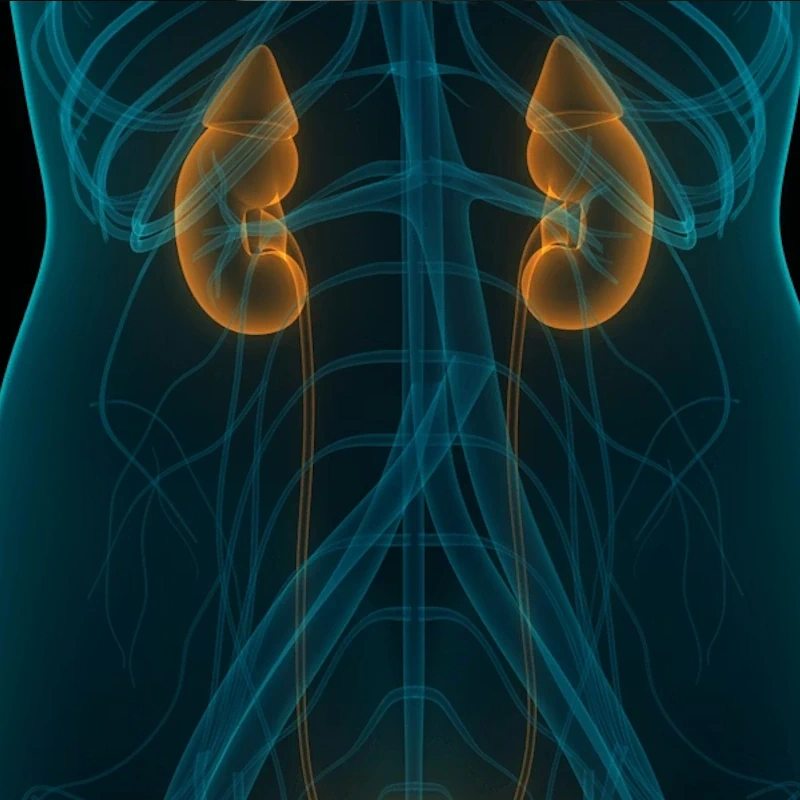
Living in a state of constant “high alert” is the modern default. Your HPA axis, the command center for your stress response, wasn’t designed for 24/7 pings and deadlines. When cortisol levels remain continuously elevated, it doesn’t just impact your daily vitality; it can influence your neuroplasticity and cognitive function and contribute to mental fatigue and cellular stress, impacting clarity of thought.
To optimize this system, we have to look at the cellular level. Specifically, we need to examine how long-chain fatty acids and antioxidants support a healthy adrenal response and promote brain resilience against the daily demands of a fast-paced life.
The EPA/AA Ratio: Your Biological Balance
The balance between different lipid markers in your system dictates how your body manages daily stressors. Arachidonic acid (AA) is involved in the body’s natural inflammatory pathways. Eicosapentaenoic acid (EPA), on the other hand, acts as an important counter-balancing lipid to maintain equilibrium.
Clinical research demonstrates that esterifying EPA with medium-chain triglycerides (MCTs) to form structured lipids (STGs) significantly increases the systemic EPA/arachidonic acid (AA) ratio compared to standard physical mixtures. This specific molecular synergy supports a healthy systemic balance, providing a targeted bioavailability mechanism for lipid profiling that standard fish oil formulations lack (EuropePMC).
By optimizing this ratio, you are effectively supporting your nervous system’s natural regulatory mechanisms. When the EPA/AA ratio is well-maintained, the adrenal response works more efficiently, helping you maintain the stamina needed to tackle demanding tasks while promoting a smooth transition to rest in the evening.
DHA and the Structural Integrity of the Brain
While EPA handles cellular signaling balance, Docosahexaenoic acid (DHA) focuses on neural architecture. Your brain is roughly 60% fat, and DHA is a primary structural component of the cerebral cortex.
Extended periods of high cortisol can impact brain health over time, including areas responsible for memory and cognitive performance. Supplementing with high-quality DHA helps maintain normal cell membrane fluidity, which supports healthy neurotransmitter function. This is vital for promoting cortisol balance because a resilient brain handles daily pressures with greater ease.
Evidence suggests that higher levels of these polyunsaturated fatty acids (PUFAs) correlate with the maintenance of normal cognitive function and brain health over time (EuropePMC). This makes them a cornerstone of any comprehensive brain resilience stack.
Vitamin E: The Lipid Bodyguard
Omega-3s are highly susceptible to oxidation. Without a protective mechanism, these delicate fats can degrade before they ever deliver benefits to your cells. This is where vitamin-e enters the equation.
As a fat-soluble antioxidant, Vitamin E sits within the cell membrane, contributing to the protection of cells from oxidative stress. In the context of the adrenal response, Vitamin E helps defend cellular components from oxidation during periods of high metabolic demand.
When you combine EPA, DHA, and Vitamin E, you aren’t just taking a supplement. You are deploying a sophisticated lipid-delivery system that supports musculoskeletal health and systemic recovery (EuropePMC).
The Synergy: Stacking for Adrenal Support
If you want to maximize the impact of your Omega-3 intake on cortisol regulation, you need to consider the broader ecosystem of your brain.
- Pair with Magnesium: Using magnesium bisglycinate alongside your fats can further support a calm nervous system and promote balanced neurotransmission.
- Support with B-Vitamins: Demanding schedules can deplete your nutrient stores rapidly. Integrating vitamin b1 and vitamin b5 contributes to normal energy-yielding metabolism and the normal synthesis of steroid hormones.
- Add Nootropics: For those looking to support cognitive clarity during demanding periods, adding lions mane supports natural neuroplasticity pathways, helping to maintain brain resilience.
The Bottom Line
Supporting a healthy adrenal response isn’t about “turning off” stress; it is about increasing your capacity to handle it. By focusing on high-bioavailability EPA and DHA, protected by Vitamin E, you provide your body with the raw materials needed to maintain a healthy lipid balance.
This lipid-based approach to cognitive optimization allows for better synaptic health and neuroplasticity and a more resilient response to daily challenges. Whether you are looking to improve your focus or simply want to optimize your mental stamina, prioritizing these essential fats is an invaluable step in your biohacking toolkit.
Further Reading
Join The Wellness Root Community
Join 5,000+ subscribers and get our weekly evidence-based wellness guides, in-depth product reviews, and scientific breakdowns sent directly to your inbox.
100% Secure. Unsubscribe anytime.