The Second Brain Protocol: How Magnesium Optimization Supports the Gut-Brain Axis
Published: 16/05/2026

Written by Oliver King
BSc Human Neuroscience | The Wellness Root
In this Guide
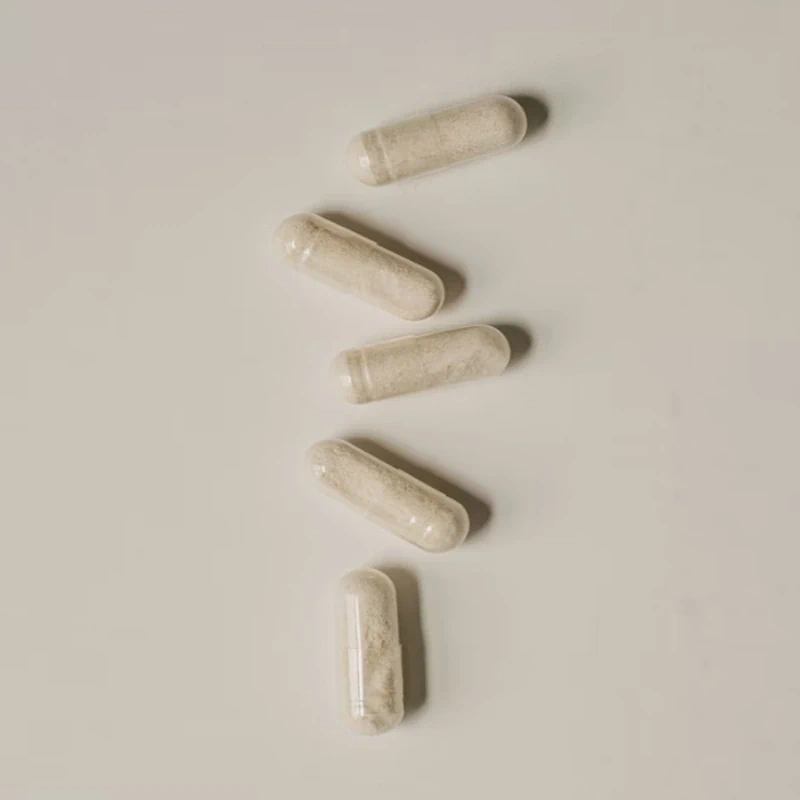
Most people view the gut as a simple processing plant for food. In reality, it functions as a sophisticated neural command center known as the enteric nervous system (ENS). This “second brain” contains hundreds of millions of neurons and communicates constantly with your head via the vagus nerve. When this communication line experiences friction, it doesn’t just impact your digestion; it can leave you feeling mentally fatigued, unfocused, and physically drained.
Optimizing the gut-brain axis requires more than just probiotics. It demands a specific mineral foundation to support natural synaptic signaling and neurotransmitter synthesis. Magnesium contributes to normal nervous system function, acting as a foundational support for the cellular pathways that govern cognitive performance and neuroplasticity. However, not all forms of this mineral reach the same tissues. To truly maintain brain energy and defend against mental fatigue, you have to understand the nuances of bioavailability.
The Bioavailability Paradox
The standard narrative often suggests that any magnesium will do. Clinical data tells a different story. Research on tissue-specific bioavailability (Europe PMC) highlights that organic forms like magnesium-bisglycinate, magnesium-malate, and magnesium-citrate have different pathways of utilization once they cross the intestinal barrier.
While these organic forms generally maintain tissue mineral levels better than inorganic salts, they exhibit a distinct physiological profile. The evidence shows that while malate and citrate forms support magnesium accumulation in cardiovascular tissues, they interact differently with vascular smooth muscle relaxation pathways. This suggests that simply introducing minerals isn’t the whole story; we need to select organic forms that align with our specific cognitive or metabolic goals.
Supporting the Enteric Nervous System
The ENS relies on magnesium to support normal muscle function and the natural synthesis of neurotransmitters like serotonin, 95% of which is produced in the gut. When you use a high-quality magnesium-bisglycinate, you are providing the body with a chelated form that is highly stable and gentle on the digestive system, avoiding the gastrointestinal disruption associated with cheaper oxides.
- Magnesium Bisglycinate and Mood Support: This form is bound to glycine, an amino acid that functions as a calming neurotransmitter precursor. It has been shown to support balanced behavior and ease stress responses in animal models, making it a primary tool for promoting a calm gut-brain connection.
- Magnesium Citrate and Brain Vitality: Beyond its role in supporting digestive regularity, magnesium-citrate supports natural pathways that favor brain-derived neurotrophic factor (BDNF). This protein is essential for memory retention and cognitive agility, offering a specialized neuro-supportive benefit that extends far beyond standard digestive support.
- Magnesium Malate and Cellular Energy: If you are looking to optimize cellular respiration and ATP efficiency, malate is an excellent choice. It efficiently supports magnesium levels in skeletal muscle and whole-brain tissue, contributing to normal energy-yielding metabolism and neuromuscular performance.
The Stack: Synergizing the Gut-Brain Connection
To maximize the impact on the enteric nervous system, magnesium shouldn’t work in isolation. Integrating it with other bioactives can amplify the maintenance of the neural pathways between your gut and your head.
- The Cognitive Foundation: Pairing magnesium with bacopa-monnieri can enhance the natural signaling efficiency of the gut-brain axis. You can find deep dives on this in our guide to gut-brain axis optimization and Bacopa neuroscience.
- The Neuroprotective Layer: Adding lions-mane helps defend against cellular oxidative stress and maintains brain vitality, creating a balanced environment for magnesium to perform its essential enzymatic duties.
- The Cortisol Buffer: Since active schedules deplete magnesium rapidly, combining your mineral intake with ashwagandha helps maintain overall systemic balance and adrenal resilience. Check out our review of the Nutrition Geeks Ashwagandha KSM-66 Complex for a potent option.
Why Public Health is Catching Up
A broader public health update (Europe PMC) suggests that sub-optimal magnesium status is an under-recognized factor in modern wellness maintenance, influencing everything from cardiovascular health to general psychological function. Inadequate intake is widespread, and because standard blood tests often measure serum rather than intracellular levels, individuals can remain below optimal levels despite standard test outcomes.
Clinical updates (Europe PMC) indicate that maintaining a high magnesium status is one of the most effective modifiable factors for supporting healthy aging, metabolic balance, and neurological stability over time.
Practical Application
If you are looking to optimize your gut-brain axis, start by assessing your primary goal. For those focused on rest, relaxation, and a positive mood, a complex like the Vitabright Magnesium Glycinate Complex is often the most effective starting point.
If your goal is focused on cognitive performance and memory, prioritize organic forms that support neuroplasticity pathways. For a comprehensive approach to managing the physical toll of daily stress, refer to our brain resilience and magnesium stacking guide.
The goal isn’t just to supplement; it is to provide the enteric nervous system with the specific, highly bioavailable tools it needs to communicate clearly with the brain. By choosing organic chelates over generic oxides, you ensure the mineral effectively supports the tissues where it can deliver the greatest performance benefits.
Further Reading
Join The Wellness Root Community
Join 5,000+ subscribers and get our weekly evidence-based wellness guides, in-depth product reviews, and scientific breakdowns sent directly to your inbox.
100% Secure. Unsubscribe anytime.