Vitamin B6
Review the scientific evidence and bio-availability of Vitamin B6, followed by our curated database of formulations.
Vitamin B6 (Pyridoxine) is a group of chemically related vitamers—including pyridoxine, pyridoxal, and pyridoxamine—that are essential for over 100 enzymatic reactions in the human body. First isolated in 1934 by Paul György, Vitamin B6 is a cornerstone of metabolic health and neurological function. Because the human body cannot synthesize this nutrient, it must be obtained through dietary sources or supplementation. Once ingested, it is primarily converted into its active coenzyme form, Pyridoxal 5’-phosphate (PLP), which facilitates the normal metabolism of amino acids, lipids, and nucleic acids.
Clinical Benefits & Mechanism of Action
Vitamin B6 operates primarily through its active form, PLP, which acts as a catalyst for various biochemical pathways in the central nervous system and peripheral tissues:
- Neurotransmitter Biosynthesis: PLP is a required cofactor for the enzyme aromatic L-amino acid decarboxylase. This enzyme supports the conversion of precursor amino acids into vital neurotransmitters, encouraging optimal baseline levels of:
- Serotonin (from 5-HTP)
- Dopamine (from L-DOPA)
- GABA (from Glutamate)
- Norepinephrine and Melatonin
- Homocysteine Regulation: Vitamin B6 plays a pivotal role in the methionine cycle. It supports the transsulfuration pathway, which converts homocysteine into cysteine. Assisting this pathway helps maintain healthy, normal homocysteine levels, which is critical for cardiovascular wellness and supporting long-term cognitive resilience.
- Gluconeogenesis and Glycogenolysis: It acts as a cofactor for glycogen phosphorylase, the enzyme involved in the natural release of glucose from stored glycogen, thereby supporting energy homeostasis during periods of physical exertion or fasting.
- Hormonal Modulation: Vitamin B6 interacts with steroid hormone receptors (such as those for estrogen and testosterone) to support normal sensitivity and balance, which contributes to the management of monthly menstrual comfort and healthy endocrine homeostasis.
- Hemoglobin Synthesis: It serves as a cofactor for the enzyme δ-aminolevulinate synthase, which initiates the natural synthesis of heme, the oxygen-carrying component of red blood cells.
Scientific Sources & Clinical Trials
- A nutritional blend of taurine, vitamins B6, B9, and B12 improves motivated behaviors in healthy adults-a double-blinded randomized clinical trial.
- Association between serum PLP levels and the natural resolution of nausea and vomiting in pregnancy: a secondary analysis.
- Comparative Efficacy and Acceptability of Treatment Strategies for Antipsychotic-Induced Akathisia: A Systematic Review and Network Meta-analysis.
Formulations Containing Vitamin B6

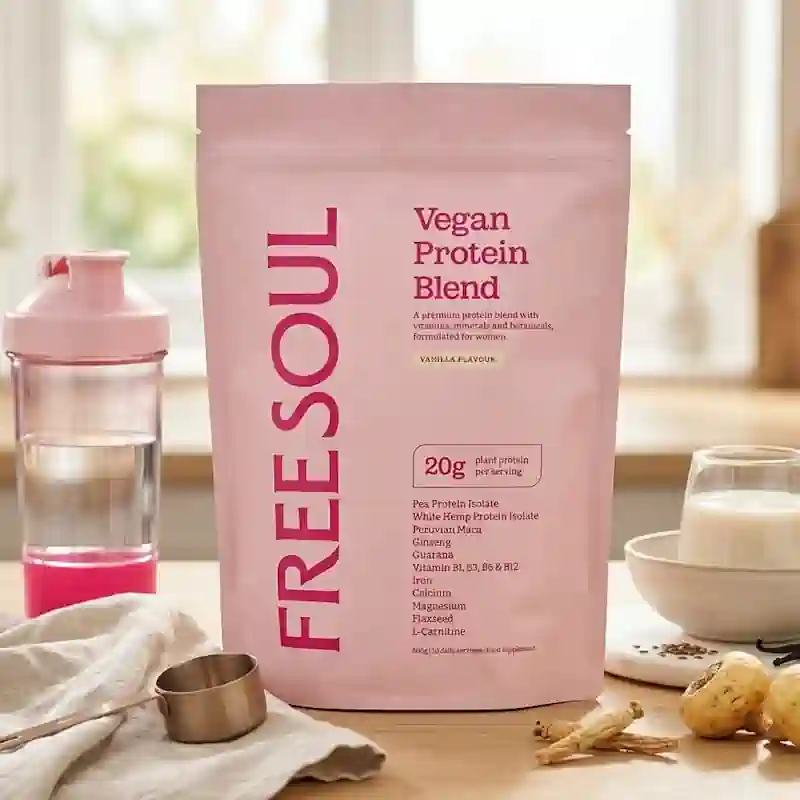
VitaBright Magnesium Glycinate Complex
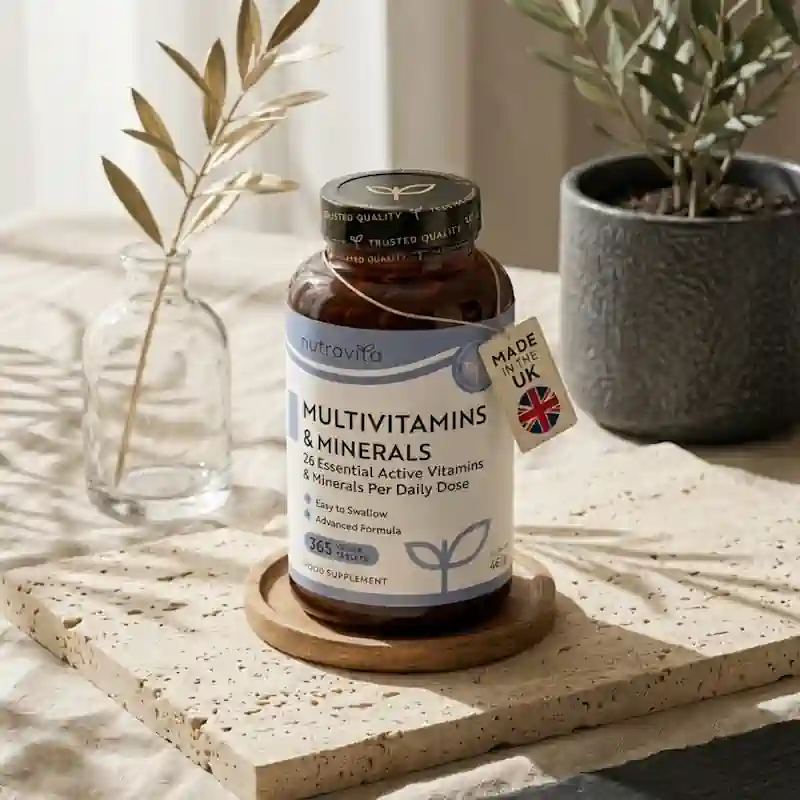
Nutravita Multivitamin

Nutrition Geeks Ashwagandha KSM 66 Complex

Wellgard Micro Greens