Vitamin B3
Review the scientific evidence and bio-availability of Vitamin B3, followed by our curated database of formulations.
Vitamin B3 (Niacin) is a water-soluble essential micronutrient that exists in two primary vitamer forms: nicotinic acid and nicotinamide (niacinamide). Historically identified in the early 20th century as a key nutritional factor by Dr. Joseph Goldberger and later isolated by Conrad Elvehjem in 1937, Vitamin B3 is a cornerstone of human metabolism. It serves as the direct biosynthetic precursor to the coenzymes nicotinamide adenine dinucleotide ($\text{NAD}^+$) and nicotinamide adenine dinucleotide phosphate ($\text{NADP}^+$), which are required to support over 400 biochemical reactions in the body.
Clinical Benefits & Mechanism of Action
Vitamin B3 functions primarily through its conversion into $\text{NAD}^+$, a critical coenzyme for redox reactions and a signaling molecule for enzymes involved in genomic stability and cellular longevity.
- Mitochondrial Bioenergetics: Vitamin B3 facilitates the transfer of electrons in the electron transport chain (ETC), supporting the natural production of adenosine triphosphate (ATP). Optimal levels of $\text{NAD}^+$ are essential for maintaining mitochondrial efficiency and encouraging healthy metabolic output.
- DNA Maintenance and Genomic Integrity: $\text{NAD}^+$ serves as the vital substrate for Poly(ADP-ribose) polymerases (PARPs). These enzymes monitor and support the repair of DNA strand architecture, assisting in the protection of neurons and other high-turnover cells against everyday oxidative stress.
- Sirtuin Activation: Vitamin B3-derived $\text{NAD}^+$ acts as a necessary cofactor for sirtuins (specifically SIRT1 and SIRT3), a family of protein deacetylases that regulate healthy gene expression, mitochondrial biogenesis, and cellular resilience during the aging process.
- Neurological Resilience: By supporting the endogenous $\text{NAD}^+$ pool, Vitamin B3 assists in maintaining structural axonal integrity and supports the natural health of small nerve fibers. It also interacts with the GPR109A receptor, which helps maintain a balanced, healthy inflammatory environment in the brain and vascular system.
- Lipid Homeostasis: Within normal nutritional parameters, nicotinic acid interacts with lipid pathways, supporting the healthy metabolism of VLDL and LDL fractions while helping to maintain optimal HDL cholesterol levels.
Scientific Sources & Clinical Trials
Formulations Containing Vitamin B3

Zipvit Ginkgo Biloba & Siberian Ginseng
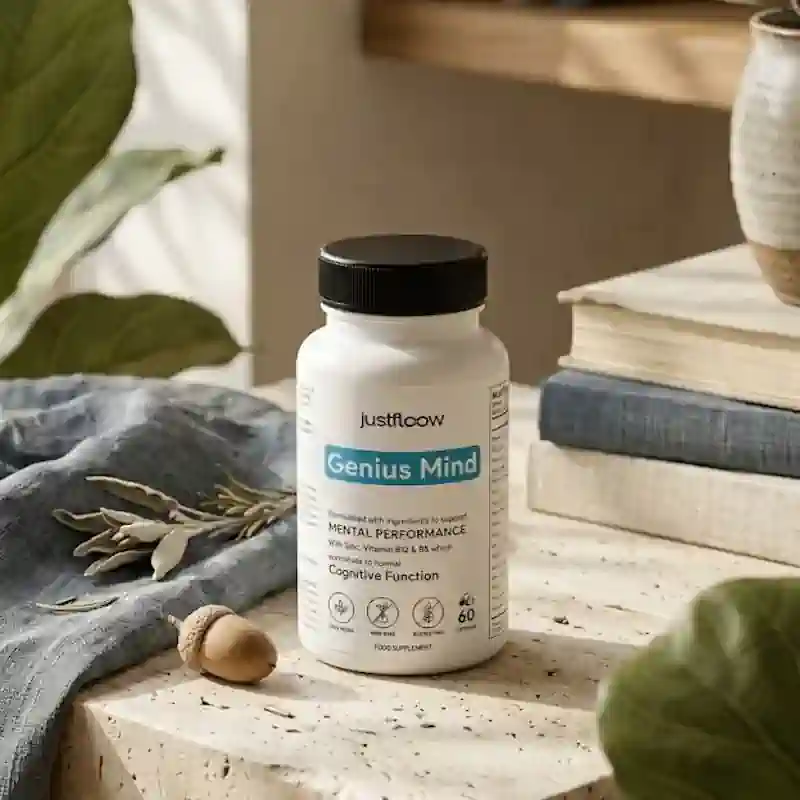
Justfloow Genius Mind

Nutravita Multivitamin

Wellgard Micro Greens