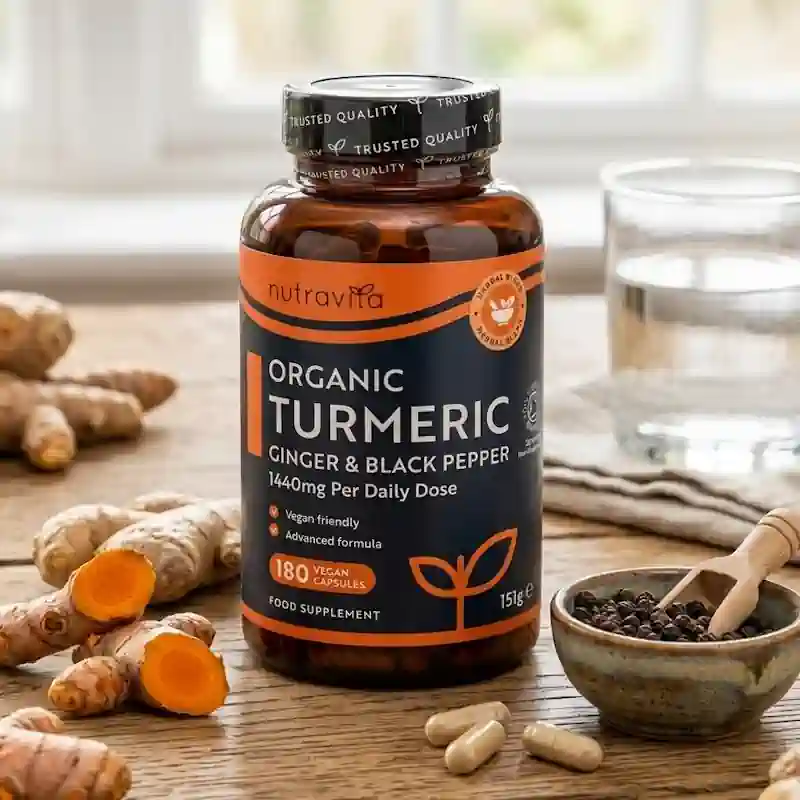
Black Pepper
Review the scientific evidence and bio-availability of Black Pepper, followed by our curated database of formulations.
Black Pepper (Piper nigrum) is a flowering vine in the family Piperaceae, cultivated for its fruit, known as a peppercorn, which is usually dried and used as a spice and seasoning. Historically referred to as “black gold” and the “King of Spices,” it has been a cornerstone of traditional Ayurvedic practice for centuries, utilized not only for digestive health but also as a “Yogavahi”—a natural catalyst used to enhance the efficacy and uptake of other botanical ingredients.
Clinical Benefits & Mechanism of Action
The primary bioactive constituent of black pepper is the alkaloid piperine, which is responsible for its pungency and the majority of its supportive metabolic effects. Its mechanisms include:
- Bioavailability Enhancement: Piperine acts as a potent natural bioenhancer by interacting with normal metabolic enzymes such as CYP3A4 and P-glycoprotein. This supports the retention and slows the rapid clearance of other compounds (most notably curcumin from turmeric), significantly optimizing their systemic absorption and serum concentration.
- Neurotransmitter Balance: Research suggests that piperine interacts naturally with pathways involving monoamine oxidase (MAO-A and MAO-B), the enzymes responsible for recycling serotonin, dopamine, and norepinephrine, thereby supporting a balanced mood and healthy cognitive performance.
- Thermogenesis and Metabolic Regulation: Black pepper interacts with TRPV1 receptors, which can support a healthy metabolic rate and natural thermogenesis, aiding in regular lipid metabolism and the natural utilization of fatty acids.
- Antioxidant and Cellular Support: Piperine modulates signaling within the natural NF-κB pathway, supporting a healthy baseline for inflammatory cytokines and contributing to the protection of cells against oxidative stress.
Scientific Sources & Clinical Trials
- Bioenhancer Assessment of Black Pepper with Turmeric on Self-Reported Pain Ratings in Adults: A Randomized, Cross-Over, Clinical Trial.
- Mood food: antidepressant effects of culinary spices.
- Application of various mixtures of medicinal herbs in the diet of laying hens: Evaluating preventive approach of fatty liver syndrome.